🧠 Part 3 — brain integration: helping your child stay calm, connected, and in control
Parents, this may be the most important blog you ever read!
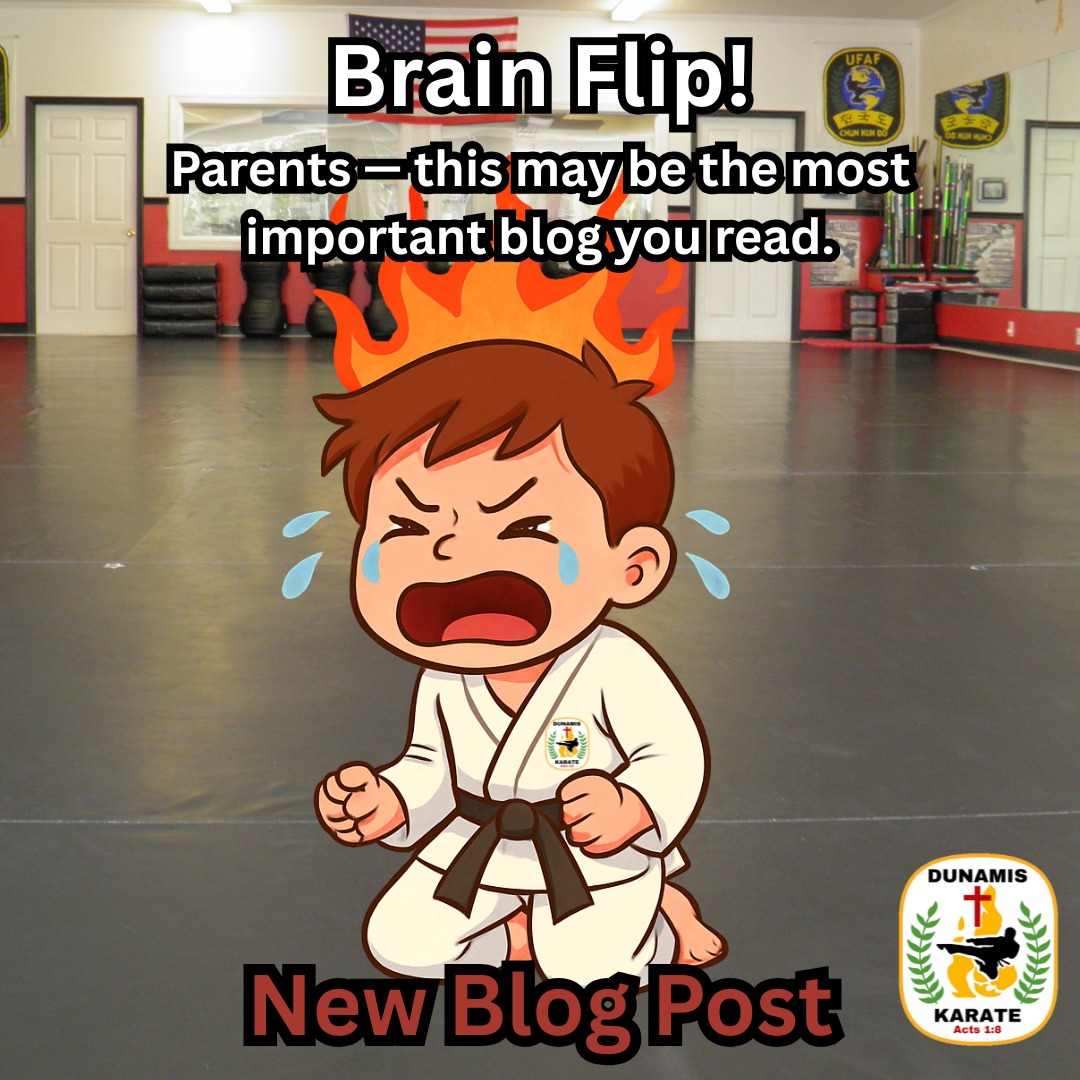
When children get overwhelmed—whether it’s a meltdown, shutdown, tantrum, or sudden outburst—it is almost never “bad behavior.”
It’s a dis-integrated (Disconnected) brain.
In the Pediatric Ninja Specialist program, we teach that a well-regulated child has an integrated (connected) brain, meaning the different “parts” of the brain communicate well and work together. When stress hits, that communication breaks down.
Today’s post will help you understand what’s really happening in your child’s brain—and what you can do at home to support emotional regulation and resilience.
🏠 1. The Upstairs Brain & Downstairs Brain
(The Vertical Integration System)
Think of your child’s brain like a two-story house:
🔹 The Downstairs Brain — Survival & Big Feelings
This includes the brainstem and limbic system.
It handles:
- Fight/flight/freeze
- Strong emotions
- Basic survival responses
It’s fast, reactive, and powerful.
When the Downstairs Brain Takes Over:
A child becomes:
- Impulsive
- Overwhelmed
- Quick to meltdown
- Unable to listen or reason
This is often called a “brain flip” or amygdala hijack.
🔹 The Upstairs Brain — Logic & Problem Solving
This includes the prefrontal cortex.
It handles:
- Reasoning
- Planning
- Emotional regulation
- Decision-making
- Empathy
It grows slowly and isn’t fully developed until adulthood (age 25).
When Upstairs & Downstairs Connect:
Your child can:
- Pause and think
- Express emotions appropriately
- Problem-solve
- Make good choices
- Show kindness and self-control
But under stress?
The downstairs brain “locks the door,” and the upstairs brain can’t help.
🌈 2. The Left Brain & Right Brain
(The Horizontal Integration System)
Kids need BOTH hemispheres working together.
🔹 Left Brain — Logic & Language
The “accountant”:
- Words
- Order
- Rules
- Lists
- Step-by-step processes
🔹 Right Brain — Emotions & Experience
The “artist”:
- Feelings
- Creativity
- Imagination
- Tone of voice
- Nonverbal cues
When They Disconnect
Logic and emotion “stop talking to each other,” and the child becomes:
- Overwhelmed by feelings
- Unable to use words
- Stuck in emotional reaction
- Irrational or explosive
This is horizontal dis-integration (disconnection).
It’s why tantrums or emotional flooding feel “bigger than the situation.”
🌊 3. The River of Wellbeing
(Dr. Dan Siegel’s Model Explained for Parents)
A well-regulated child “floats” down the River of Wellbeing—balanced, calm, and capable.
But children can fall off the river in two ways:
🌊 Flooding
The river overflows.
Your child is overwhelmed by:
- anger
- fear
- sadness
- frustration
This leads to meltdowns or panic.
🪨 Friction
The water gets shallow and full of rocks.
Your child becomes:
- irritable
- rigid
- unreasonable
- argumentative
Both states mean the brain is DIS-integrated (disconnected).
Your job as the parent?
Help them get back into the river.
🔧 4. The 4-Step Integration Strategy
(The MOST Practical Part for Parents)
This powerful method supports vertical and horizontal integration AND uses the brain’s D.O.S.E. chemistry (dopamine, oxytocin, serotonin, endorphins) to restore regulation.
STEP 1 — Name It to Tame It (Triggers Dopamine)
Help your child name what they feel.
“Looks like you’re feeling frustrated because the block tower fell.”
This gives the feeling a label—which gives the brain control.
STEP 2 — Acknowledge the Feeling (Triggers Oxytocin)
Let them “feel felt.”
“I don’t blame you for being upset. That took a lot of work and you really cared about it.”
Connection calms the downstairs brain.
STEP 3 — After You Connect, Redirect (Triggers Serotonin)
Gently guide toward a solution when they’re ready.
“Is there another way we could rebuild it? Or should we take a break and try again later?”
This shifts the brain back into logic and problem-solving.
STEP 4 — Move It or Repair (Triggers Endorphins)
Let the body help finish the emotional cycle.
“Let’s shake it out!”
“Let’s fix this together.”
“Let’s do 5 ninja jumping jacks before we try again.”
Movement + repair = emotional reset.
🥋 Karate Connection — How We Teach Brain Integration at Dunamis
Every class naturally builds brain integration by:
✔ Helping kids identify emotions (Name It to Tame It)
Through coaching, conversations, and age-appropriate language.
✔ Building connection (Acknowledge the Feeling)
High-fives, encouragement, eye contact, and supportive communication.
✔ Redirection through structure (Connect → Redirect)
Instructors guide students toward better choices with calm authority.
✔ Movement as regulation (Move It!)
Punches, kicks, drills, games, pad work, and forms— all of these release endorphins and complete emotional cycles.
Karate is more than self-defense.
It’s brain development in constant motion.
⭐️ Parent Tip of the Week — “Catch the Brain Flip Early”
Watch for early signs that your child is leaving the River of Wellbeing:
- Voice rising
- Breathing fast
- Restlessness
- Rigid thinking
- Sudden mood shift
Then use the 4-Step Strategy before the meltdown fully forms.
This helps your child return to emotional balance quickly—and teaches lifelong self-regulation.
Download Brain Integration Worksheets for your students at home!
👉 Next in the Series
Introverts & Extroverts: How your child's personality affects stress, learning & success in martial arts. Stay Tuned!

We create a safe and supportive training environment where students are empowered to build focus, discipline, confidence, and respect.
© 2025 All rights reserved. Powered by MyStudio.