🧠 Part 4 — introverts & extroverts: how your child’s personality affects stress, learning, and success in martial arts
Understanding introverts & extroverts
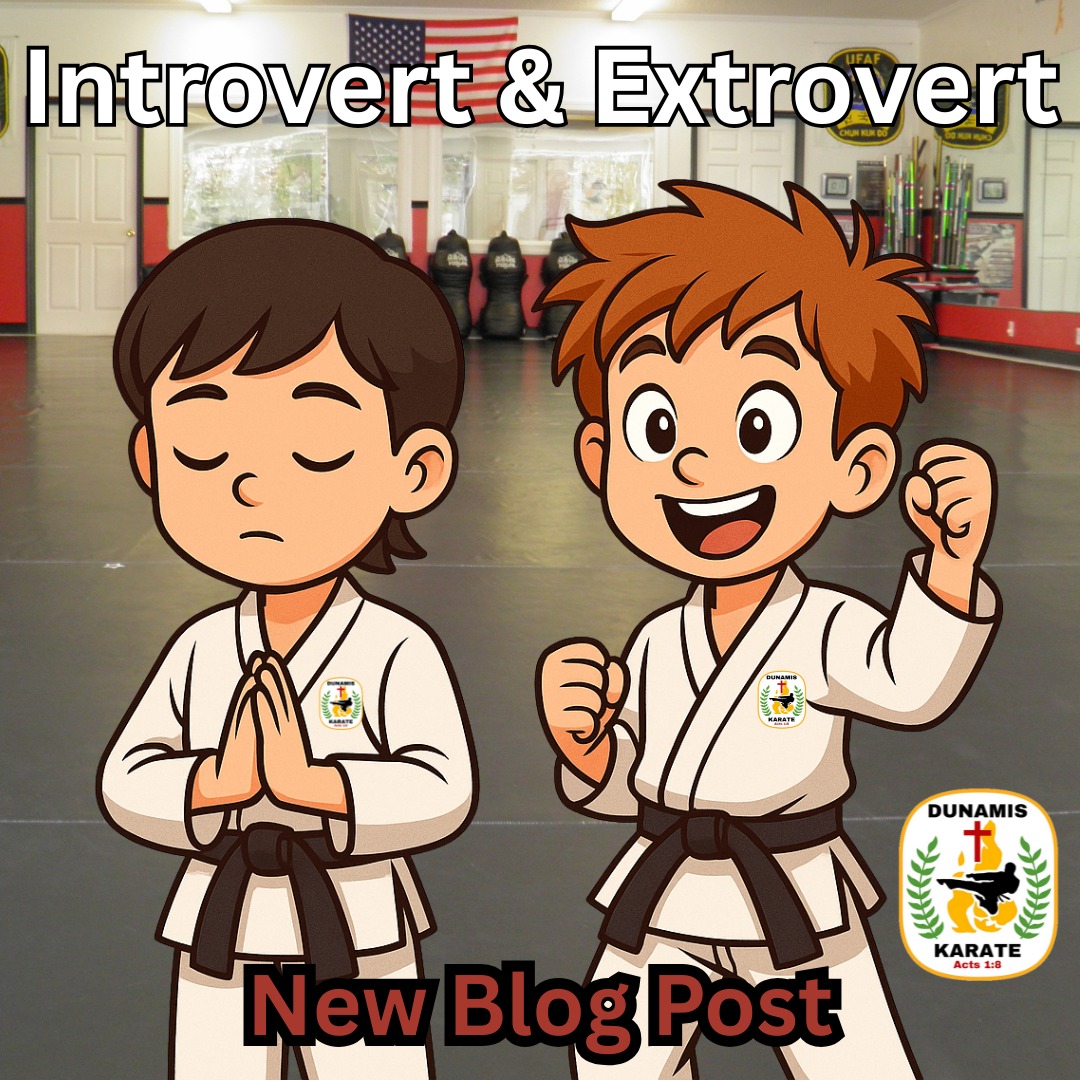
Every child processes the world differently — not just because of age or experience, but because of how their brain is wired. One of the most important factors in a child’s emotional and social development is whether they lean more introverted or extroverted.
Neither personality style is better than the other.
Both come with strengths.
Both come with challenges.
And both require different kinds of support at home and in the dojo.
Let’s explore how these personality differences show up in daily life — and how parents can help kids thrive.
🌙 Introverted Children — The Calm, Thoughtful Observers
Introverted children often have:
- A more sensitive amygdala (which means they may become overwhelmed faster)
- A preference for quiet environments
- A deep internal world
- Strong reflective and analytical thinking
- A need for time alone to recharge
Introverts aren’t “shy.”
They’re processing deeply — and that takes energy.
Common Signs of Introverted Ninjas
- They participate after observing first
- They may prefer small groups or one-on-one interactions
- They thrive with a predictable structure
- They often think carefully before responding
- After a busy day, they may need alone time to decompress
How Introverts Experience Stress
Because their amygdala is more sensitive, overstimulation can lead to:
- Anxiety
- Meltdowns
- Panic attacks
- Withdrawal or shutdown
Their stress doesn’t always “show”… but it builds.
How Parents Can Support Introverts at Home
- Give them space to recharge after school
- Offer quiet activities (drawing, reading, puzzles)
- Don’t force immediate answers — give thinking time
- Prepare them for transitions in advance
- Celebrate effort instead of pushing performance
🌞 Extroverted Children — The Energetic Social Drivers
Extroverted children tend to have:
- Higher thresholds for stimulation
- A stronger response to dopamine-based rewards
- A preference for action, movement, and social interaction
- Quick emotional responses
- High enthusiasm and expressive energy
Common Signs of Extroverted Ninjas
- They talk through their ideas rather than think internally
- They love group activities, games, and partner drills
- They gain energy through social interaction
- They may take leadership roles naturally
- They thrive on excitement and variety
How Extroverts Experience Stress
When not managed well, overstimulation or unmet social needs can show up as:
- Tantrums
- Aggression
- Outbursts
- Restlessness
- “Attention-seeking” (which is actually a connection need)
How Parents Can Support Extroverts at Home
- Give them outlets for movement and expression
- Let them talk through their feelings
- Provide opportunities for leadership or responsibility
- Use dynamic tasks (“Race you to the mailbox!”)
- Build in predictable cool-down moments
🥋 Karate Connection — Why Martial Arts Helps BOTH Types Thrive
At Dunamis Karate, our teaching structure supports each personality type in a different but powerful way:
Introverts Thrive Because:
- They can observe before participating
- Structure and routine reduce anxiety
- Small achievements build quiet confidence
- They receive individual attention at their own pace
Extroverts Thrive Because:
- Movement and interaction activate dopamine
- Partner drills and group challenges keep them energized
- Leadership opportunities build confidence
- Dynamic activities keep their brain engaged
Karate gives introverts courage.
Karate gives extroverts control.
Karate gives every child the tools to grow.
⭐️ Parent Tip of the Week — “Match the Recharge”
To support your child’s emotional health after school:
If your child is an introvert:
Give them quiet space before asking questions or jumping into activities.
A calm child learns better.
If your child is an extrovert:
Give them movement or interaction right away (play outside, talk, do something fun together).
A connected child behaves better.
Matching their personality needs reduces stress and boosts emotional balance.

We create a safe and supportive training environment where students are empowered to build focus, discipline, confidence, and respect.
© 2025 All rights reserved. Powered by MyStudio.